
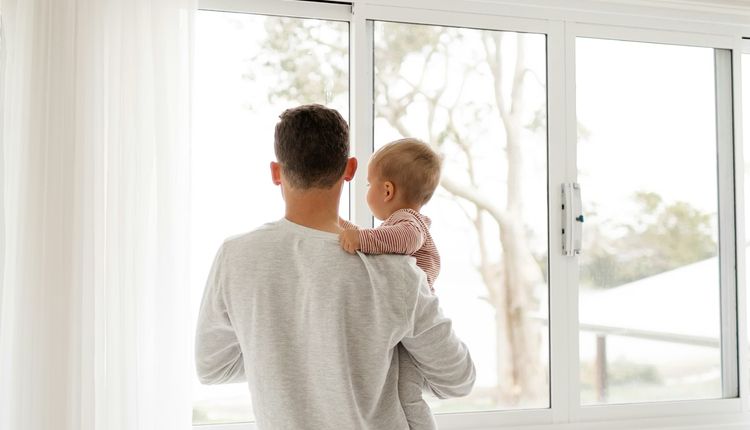
Bringing a new baby home is exciting, but it also means taking a fresh look at your living space through the eyes of a curious child. As babies grow and become more mobile, they naturally want to explore their environment. Everyday objects and furniture that once seemed harmless can become serious hazards. A few thoughtful changes now can make your home safer and give you peace of mind.
Secure Furniture and Heavy Items
Children love to pull, climb, and test their limits. That’s why it’s important to secure anything that could fall or tip over. Dressers, bookcases, and televisions should be anchored to the wall with brackets or straps. Avoid placing toys, remotes, and other tempting items on top of high furniture to prevent climbing. As part of your regular home maintenance routine, check those anchors to ensure they remain tight and stable.
Use Safety Gates and Latches
Safety gates are one of the most effective ways to limit access to danger zones. Install hardware-mounted gates at the top of stairways for the best security, and use pressure-mounted gates elsewhere. Latches on kitchen and bathroom cabinets help prevent access to sharp objects or cleaning supplies. Don’t overlook toilet lid locks, either. These simple tools can make a big difference as your child becomes more mobile.
Cover Electrical Outlets and Edges
Outlet covers are essential in any home with young children. Choose sliding or self-closing options to protect against curious fingers. For furniture with sharp edges, such as coffee tables or fireplace hearths, install corner protectors or padding. These precautions soften the impact if your child stumbles and reduce the risk of injury.
Watch for Small Objects and Choking Hazards
If an item can fit through a cardboard toilet paper roll, it’s a choking risk. Be vigilant about clearing small objects from floors, shelves, and tables, especially if you have older children with small toys or craft supplies. Designate a separate area for baby-safe toys and playtime, and teach siblings to store their items safely out of reach.
Lock Up Cleaning Supplies and Medications
Store all medications, vitamins, and household cleaners in cabinets or drawers that are locked or out of reach of small children. Even natural products can be dangerous if ingested. Choose strong childproof locks and avoid leaving these items out on countertops or open shelving. If possible, store hazardous items in a room that children do not have access to.
Don’t Forget About Windows and Doors
Install window stops or guards to limit how far windows can open. Move furniture away from windows to discourage climbing. Use door knob covers or locks to keep little ones from wandering into unsafe rooms. For added safety, place pinch guards on door hinges to protect small fingers from injury.
Make Your Home Safer and Smarter
Smart home technology can support your childproofing efforts. Motion-activated nightlights, smart door sensors, and baby monitors with video or audio features help parents stay aware of their child’s activity. While these tools don’t replace physical safety measures, they offer another layer of visibility and control that can be especially helpful for busy families.
Don’t Forget About Insurance
While you are taking steps to protect your home and family, it’s also worth reviewing your home insurance coverage. Life changes quickly, and your policy should reflect your current needs. Contact us today to schedule a policy review and ensure your home and loved ones are properly protected.